
Professional Epoxy Flooring Installation in Lexington, KY
Garage, basement, and commercial epoxy floors handled by one team — moisture testing, documented crack repairs, and a quality walkthrough before you pay the final invoice. You get proof of durability, not promises.
What Is Epoxy Flooring?
Epoxy is a thermosetting resin applied in multiple layers to concrete, forming a rigid plastic surface bonded at the molecular level. It’s not paint, and it’s not a sealer.
Most people confuse the three. Paint sits on top and peels within months under tire traffic. Sealers soak into the pores but add no thickness or impact resistance. Epoxy chemically bonds to the concrete and becomes part of the floor itself.
Two components — resin and hardener — react when mixed, creating cross-linked polymer chains that form a dense, impenetrable network. Once cured, epoxy can’t be re-melted or dissolved by most chemicals. That’s why it shrugs off gasoline, oil, and household cleaners that would stain or etch bare concrete.
Three layers, one bonded system. Most failures happen in prep — not in the epoxy — which is why we grind, test, and document every floor before a drop of resin goes down.
Epoxy vs. Paint vs. Concrete Sealer
All three go on concrete. Only one builds a new wear surface that takes the abuse for you.
Concrete Paint
Fails in 6–12 months
- Sits on the surface and peels under hot tire pickup
- Bonds only mechanically through tiny surface ridges
- Lifts when moisture pushes up from below
Concrete Sealer
No thickness, no impact protection
- Penetrates 1–3 mm to harden the pores
- Reduces dusting and moisture intrusion
- Shows wear, tire marks and stains within two years
Epoxy System
10–15 years, bonded to the slab
- Chemically bonds and becomes part of the floor
- Adds a real wear surface that absorbs impacts
- Spills wipe clean without staining the concrete below
Why the polyaspartic topcoat matters. Standard epoxy cures slowly and turns amber in sunlight. A polyaspartic topcoat cures hard in hours, blocks UV yellowing, and gets you back to foot traffic in 4–8 hours and vehicle traffic within 24 — without giving up durability or chemical resistance.
Residential Epoxy Flooring in Lexington
Garages, basements, and patios each ask for something different. We test before we recommend.
Garage Floors
Hot tires lift tar, and oil, gas and antifreeze drip. Epoxy seals it out — spills wipe up with a paper towel, and broadcast polymer flakes hide dirt while adding slip resistance when wet.
Choose solid colors, multi-tone flake blends or metallic finishes from 40+ combinations. Most Lexington garages run 400–600 sq ft and finish in one to two days.
Basement Floors
In Lexington’s humid climate we test for hydrostatic pressure first. Over 3 lbs of moisture per 1,000 sq ft and the concrete is releasing too much vapor — epoxy over wet concrete delaminates within months.
When readings check out, epoxy gives you a seamless, reflective surface that’s easier to clean than tile and keeps concrete dust from drifting upstairs.
Outdoor Patios & Walkways
Epoxy works outside, but a UV-resistant polyaspartic topcoat is non-negotiable — direct sun degrades pure epoxy. We install when surface temps sit between 50°F and 90°F, so spring and fall are ideal.
We broadcast fine silica or aluminum oxide into the topcoat for wet-weather traction that’s still comfortable underfoot on pool decks.
Commercial & Industrial Epoxy Solutions
Commercial epoxy floors cut maintenance costs by up to 60% versus VCT tile or polished concrete in high-traffic settings.
Warehouses & Manufacturing
Forklifts and pallet jacks destroy raw concrete. Epoxy adds a wear-resistant surface, and high-gloss finishes bounce light back to the ceiling — energy audits show 15–20% lighting cost reductions.
Forklift lanes need 20–40 mils; for the hardest-hit zones we build epoxy mortar systems up to 1/4 inch thick. Traffic lanes reopen within 24 hours.
Retail Showrooms
Metallic epoxy creates a high-end look at a fraction of polished-concrete cost. The seamless surface handles shopping-cart traffic with no grout lines to crack or stain.
We match brand colors precisely and can embed custom logos — pearl, copper and charcoal blends mimic natural stone across large areas with no tile seams.
Automotive Shops
Epoxy repels brake fluid, transmission fluid, coolant and gasoline without staining or etching. Oil drips show immediately on the surface and wipe clean — no hidden slick spots like bare concrete.
We add aggressive slip-resistant aggregate and safety-yellow striping for inspection bays, and the light-reflective finish lifts visibility for techs working under vehicles.
7 Long-Term Benefits
The reasons epoxy pays for itself — and outlasts the alternatives.
Durability That Outlasts
10–15 years residential, 7–10 commercial. VCT tile needs replacing every 5–7 years.
Chemical & Stain Resistance
The non-porous surface repels oil, gasoline, brake fluid and cleaners. Acids and alkalis sit harmlessly until wiped away.
Low Maintenance
Just dust-mop and occasional damp-mop — no waxing or stripping. The maintenance savings pay for the install within 3–4 years.
Slip Resistance When Needed
Broadcast aluminum oxide or polymer flakes create ANSI-rated traction that’s permanent — not a coating that wears off.
Customizable Aesthetics
Color flakes, metallic pigments and embedded logos. 40+ stock combinations, plus custom color matching to any shade.
Seamless & Easy to Clean
No grout lines where dirt collects. Meets USDA and FDA standards for food-safe facilities and resists bacterial growth.
Protects the Concrete
Seals out moisture, stops dusting, and bridges hairline cracks — extending the structural life of the slab beneath.
Our 4-Step Installation Process
We document every step because most failures happen during prep — not during the epoxy application itself.
Free On-Site Consultation & Surface Assessment
We inspect your concrete in person: PSI testing (3,000+ minimum), moisture readings, and a crack-and-damage survey. You get a transparent estimate with material and labor broken out separately.
Some concrete needs minimal prep; older floors with previous coatings or oil contamination need more. We give you an honest assessment of the work required and why each step matters.
Surface Preparation & Repairs
We diamond-grind the entire floor to expose aggregate and open the pores, fill cracks with flexible polyurea, and treat oil stains until we see clean concrete. Low spots get self-leveling compound.
Industrial walk-behind grinders — not consumer equipment — create a 2–3 CSP profile on the ICRI scale: enough texture to bond, without scratches that telegraph through the finish.
Epoxy Application & Curing
A penetrating primer bonds into the pores, followed by a tinted base coat at 10–15 mils. If you’ve chosen flakes, we broadcast them into the wet epoxy, then seal everything with the polyaspartic topcoat.
We climate-control the workspace and monitor temperature and humidity continuously — Kentucky’s humidity will interfere with cure if it isn’t managed, and recoat windows are tight.
Quality Walkthrough & Workmanship Guarantee
Before you pay the final invoice, we walk the floor with you against a 12-point checklist: edge coverage, flake distribution, cure uniformity, smooth doorway transitions, no bubbles or bare spots, and complete cleanup.
You get a written workmanship guarantee. If the epoxy fails because of our installation, we repair it at no charge.
Epoxy Flooring FAQs
Professionally installed epoxy lasts 10–15 years in residential garages and 7–10 years in commercial spaces with proper maintenance. DIY kits typically fail within 2–5 years. Longevity comes down to surface prep, coating thickness, and traffic — light-duty floors in climate-controlled garages can exceed 15 years.
Professional installation runs $3–$7 per square foot depending on floor condition and design complexity. Basic single-color systems start at the lower end; metallic finishes, extensive crack repair, or moisture mitigation push toward the upper range. Every estimate is itemized with no hidden fees — call (859) 553-6259 for a free assessment.
DIY kits cost less upfront but need concrete grinding equipment and moisture testing tools. Diamond grinders rent for $100–$150 a day but take experience to run well. Inadequate surface profile, missed moisture issues, or wrong mixing ratios cause roughly 80% of DIY failures within the first year.
Yes — when moisture is tested before installation. Concrete releasing over 3 lbs per 1,000 sq ft needs a moisture-mitigating primer. We test every floor, and we test during humid summer months for worst-case readings. Basements in particular get careful evaluation.
Sweep or dust-mop regularly and damp-mop with a pH-neutral cleaner monthly. Skip abrasive scrubbers, avoid dragging sharp objects, and put protective pads under workbenches and heavy equipment. Recoat high-traffic areas every 7–10 years.
With polyaspartic topcoats, floors are ready for foot traffic in 4–8 hours and vehicle traffic within 24 hours. Full chemical resistance develops over about 7 days.
Other Flooring Services We Install
Epoxy is one option of many. Explore the full range we install across Central Kentucky.
Tile Installation
Ceramic, porcelain and marble with proper waterproofing and even seams.
Learn more →
LVP Installation
Waterproof, durable luxury vinyl plank over a properly prepped substrate.
Learn more →
Laminate Installation
Affordable, stylish, easy-to-maintain laminate for homes and businesses.
Learn more →
VCT Floor Installation
Durable vinyl composition tile for schools, hospitals and high-traffic spaces.
Learn more →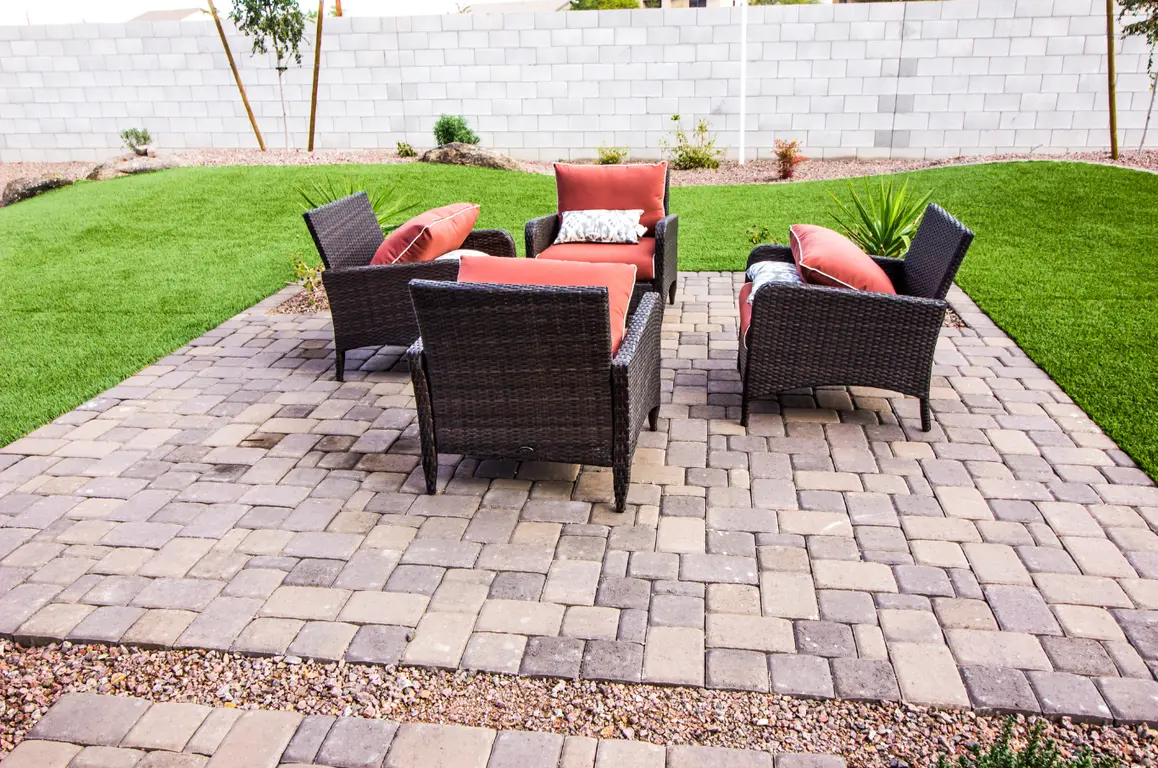
Paver Installation
Outdoor pavers and stone for patios and living spaces, set with real drainage.
Learn more →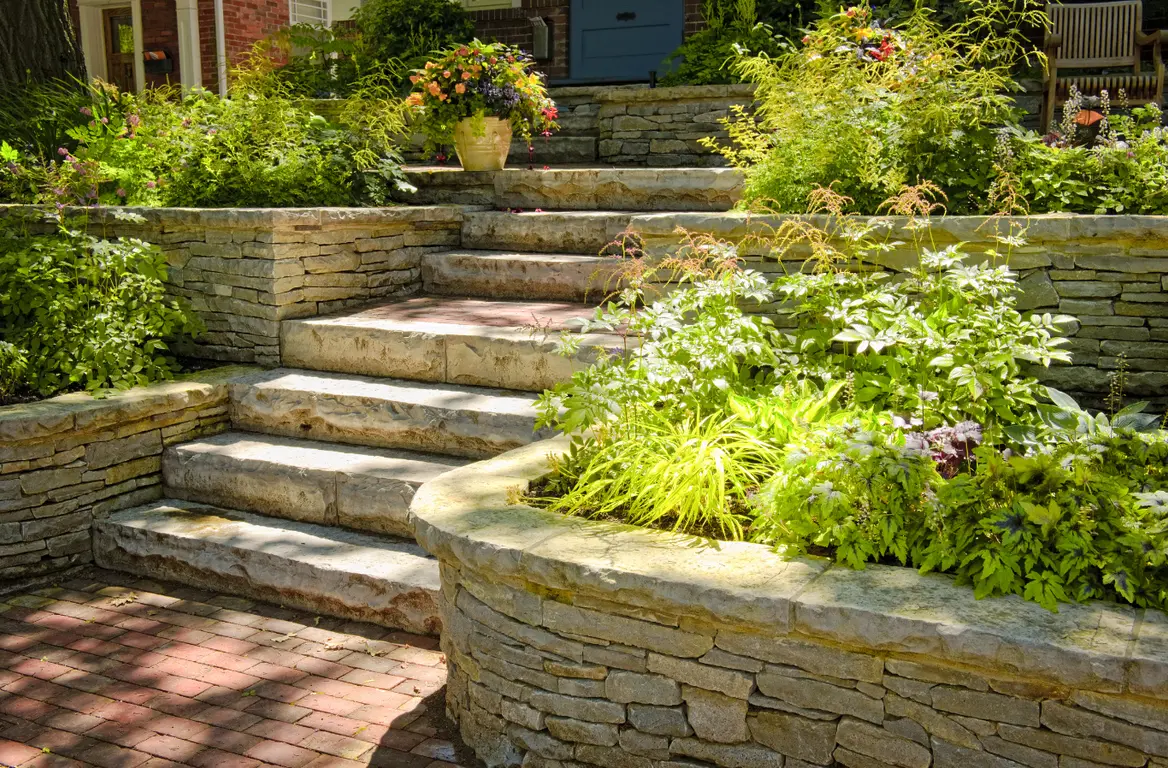
Stone & Brick Installation
Expert stone and brick work for fireplaces, walls and entryways.
Learn more →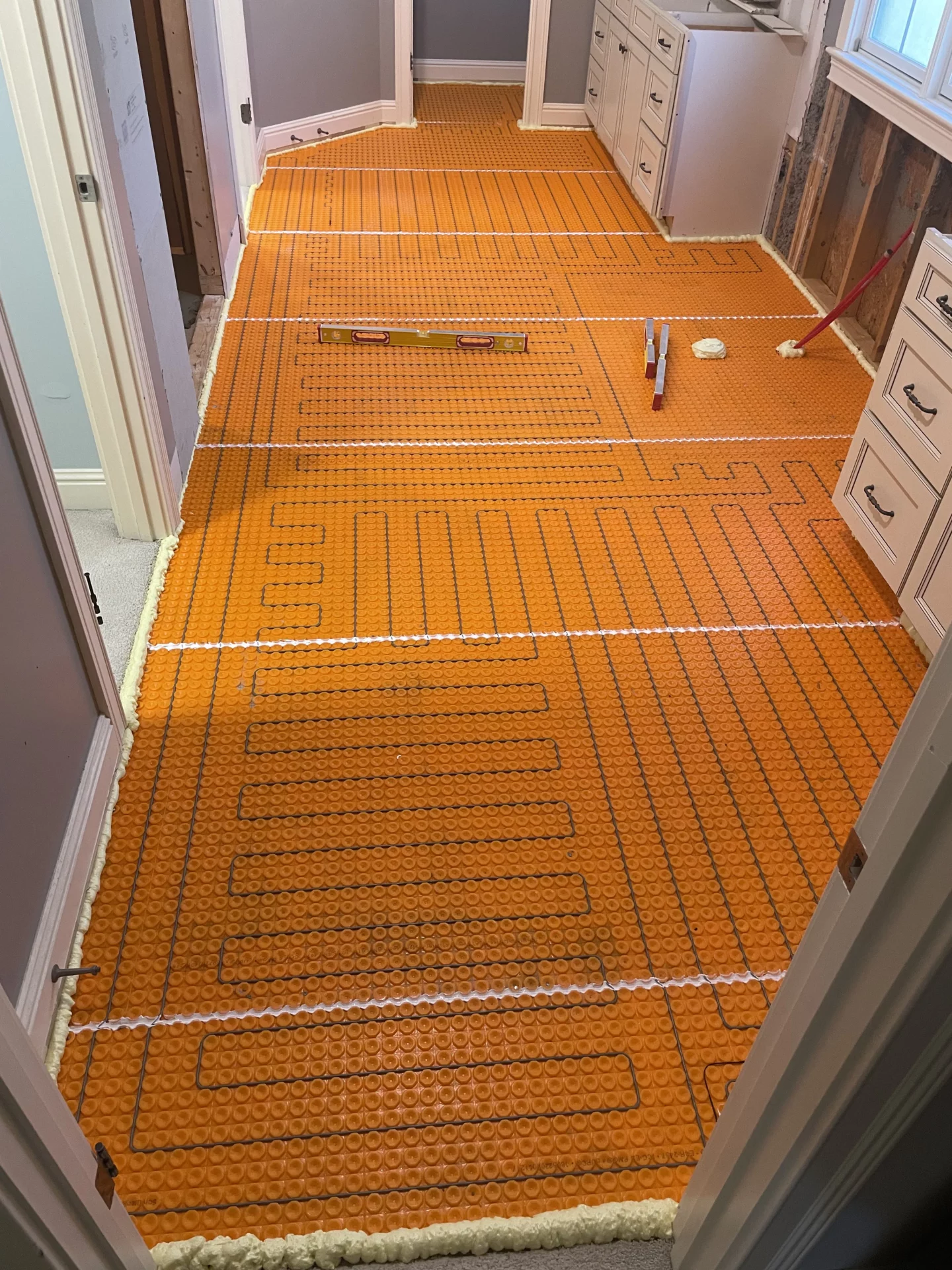
Heated Floor Installation
Energy-efficient heated systems that pair beautifully with tile or stone.
Learn more →
Rubber Floor Installation
Durable rubber flooring for gyms, kitchens, warehouses and demanding spaces.
Learn more →
Hardwood Installation
Solid and engineered hardwood acclimated to your home, plus refinishing.
Learn more →Ready for a Floor That Proves Itself?
Get a free on-site consultation and an itemized estimate with material and labor broken out — backed by a written workmanship guarantee. We’ll tell you exactly what your concrete needs and why.